
Retinol 101: How to Get Smoother, Brighter Skin This Fall

If there is one skincare ingredient more people should understand before adding it to their routine, it is retinol.
You have probably heard that it helps with fine lines, dark spots, acne, and uneven texture. You may also have heard that it can leave your skin dry, flaky and irritated.
So, is retinol worth it?
My answer is that it can be an excellent addition skincare routine when it is done right, but choosing the right product and knowing how to use it make all the difference.
Your skin has its own needs, and what works beautifully for one person may not be the best starting point for someone else. This is why we recommend our clients come in and let us at Symmetry help you pick the right formula, strength, and create a plan for your individual needs and the concerns you want to address.
With fall here in Phoenix, this is a good time to take a closer look at your routine, but let's first talk about what retinol actually does, how I recommend approaching it, and the mistakes to avoid.
First things first: What exactly is retinol?
Retinol is a form of vitamin A used in skincare. It belongs to a larger family of ingredients called retinoids, which are used to address several common skin concerns.
Depending on the formulation and the person using it, retinol can help improve the appearance of fine lines, uneven pigmentation, rough texture and certain types of acne.
But I want you to understand something important: retinol is not one-size-fits-all, and stronger is not automatically better.
For example, someone who is new to vitamin A skincare and someone who has used retinol consistently for years may need very different products. The goal is to find an approach that supports your skin without unnecessarily irritating it.
A good skincare routine is not about using the strongest ingredients. It is about using the right ingredients consistently.
One of the reasons retinol can be confusing is that there are several types of vitamin A derivatives available.

Not all retinol products are created equal
We also look at how professional treatments and your at-home routine work together. Our October 3-IN-1 Fall Glow Experience combines dermaplaning, a pumpkin enzyme mask and a retinol enhancement for $135, a $175 value. If you are interested in incorporating retinol into your routine, we can discuss whether this treatment is appropriate for your skin and how to care for it afterward.
Here is the simplified breakdown.
Retinyl Esters
These are generally considered gentler vitamin A derivatives. They need to undergo several conversion steps in the skin before becoming retinoic acid, the form that interacts directly with retinoid receptors.
They may be a starting point for some people, although the specific formulation and your skin's needs still matter.
Retinol
This is one of the most familiar cosmetic vitamin A ingredients. The skin converts retinol into retinaldehyde and then retinoic acid.
Retinol is commonly used to help improve the appearance of fine lines, uneven skin tone and texture. It is also available in different formulations designed to address different concerns.
Retinaldehyde, also called Retinal
Retinaldehyde requires one conversion step to become retinoic acid. It is often discussed as a more direct option than retinol, but that does not mean every retinal product will be more effective or more irritating than every retinol product.
Formulation and individual tolerance still matter.
Tretinoin
Tretinoin is a prescription retinoid that is already retinoic acid.
It can be useful for specific skin concerns, but it is not necessarily where everyone should begin.
How I approach retinol for different skin concerns
At Symmetry, I want skincare to make sense for the person using it. The same principle applies to retinoids.

If you are new to retinol
I generally prefer a gradual approach rather than starting with an aggressive product.
A product formulated for sensitive skin may be a more appropriate introduction for some first-time users. Once your skin is tolerating a product well, your routine can be reassessed according to your goals.
If uneven skin tone and dark spots are your concern
Retinol may help improve the appearance of discoloration, but pigmentation is not always caused by the same thing.
Sun exposure, inflammation, hormonal changes and other factors can contribute to dark spots. The best approach depends on what is causing the discoloration and how your skin responds to treatment. This is particularly important if you tend to develop dark marks after irritation. Pushing your skin too hard can work against your goal.
If you are concerned about fine lines and texture
Retinol can be useful as part of a longer-term skincare plan. It is not an overnight treatment, and you do not need to use the strongest formula available to begin addressing these concerns.
Consistency, tolerance and sun protection are just as important as the product you choose.
If your skin is sensitive
Please do not assume that you have to endure redness and peeling to get results.
If you already experience persistent redness, irritation, eczema or rosacea symptoms, it is worth getting professional advice before introducing a retinoid. In some cases, it may be better to address the skin barrier or underlying inflammation first.
Your skincare should work with your skin, not against it.
Living in Arizona? Do not skip your sunscreen.

We are fortunate to enjoy plenty of sunshine here in Phoenix, but that also means sun protection needs to be part of your routine throughout the year, especially when using retinoids.
Retinoids can increase irritation and make protecting your skin particularly important.
If you are investing time and money in improving your skin, do not overlook the step that helps protect those efforts.
Sunscreen is not just a summer product. It belongs in your routine all year.
Can you use retinol with professional facials and chemical peels?
This is a question worth asking before booking a treatment or changing your home routine.
At-home retinol and professional exfoliating treatments can both play a role in a skincare plan, but combining them without considering your skin's condition can increase irritation.
The timing of retinol use around a facial, chemical peel or other resurfacing treatment depends on the product, the procedure and your individual skin. There is no single schedule that is right for everyone.
If you are planning a professional treatment, tell your provider which skincare products you are using, including retinol, prescription retinoids and exfoliating acids.
Here at Symmetry Medical, we can discuss your current routine and determine whether a treatment is appropriate for your skin. Sometimes the best first step is to simplify your home care before introducing anything new.
My approach to professional skincare at Symmetry
At Symmetry, we believe that good aesthetic care starts with understanding what you want to improve and what is realistic for your skin.
That is why I encourage patients to look beyond individual products and think about how their skincare choices work together.
The aim is not to do everything at once. It is to make thoughtful choices and build a plan that makes sense for you.
Glow Into Fall: Our October 3-IN-1 Fall Glow Experience
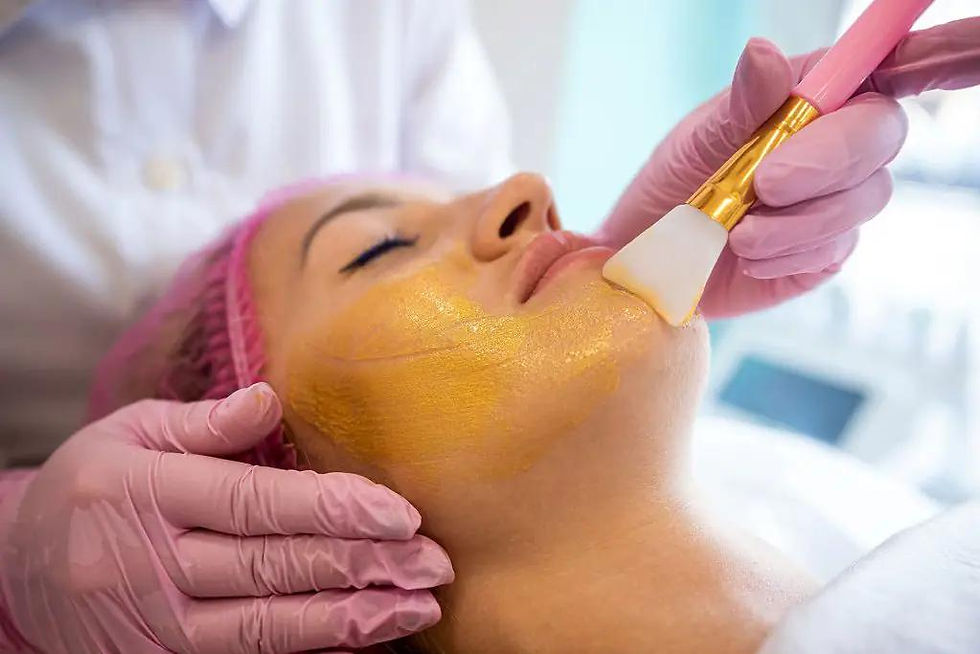
If your skin is looking a little dull after summer, our October facial special brings together three treatment steps designed to leave your complexion looking smoother and brighter.
The 3-IN-1 Fall Glow Experience is $135, a $175 value, available October 1–31, 2026.
Here is what is included.
Dermaplaning
Dermaplaning uses a sterile blade to remove surface dead skin cells and fine facial hair, often called peach fuzz. It can leave the skin feeling smoother and create a more even-looking canvas for makeup.
Pumpkin enzyme mask
This seasonal treatment uses pumpkin enzymes and other ingredients to help exfoliate and brighten the appearance of the skin.
Retinol enhancement
The retinol-based enhancement is designed to help refine the appearance of texture, improve the look of uneven tone and support skin renewal.
Together, these steps offer a seasonal opportunity to refresh the appearance of dull skin.
If you have been thinking about giving your skincare routine some attention this fall, this is a good opportunity to ask questions, discuss your concerns and find out whether the treatment fits your goals.
The October special ends October 31, 2026. Treatment suitability and availability should be confirmed with the clinic.
A final word on retinol
Retinol can be a valuable part of a skincare routine, but I do not believe in choosing products simply because they are trending or using stronger ingredients just to get faster results.
Good skincare is not about having the longest routine or the most expensive products. It is about making informed choices that work for you.
If you are unsure where to begin, or if you would like help deciding whether retinol or a professional facial is appropriate for your skin, Symmetry would be happy to help you explore your options.
Ready to talk about your skin?
Call or text Symmetry Medical Aesthetics at (602) 654-3822 to discuss your skincare goals or schedule an appointment.
Visit symmetrymedicalaz.com to learn more about our services or to book online.
This article is for educational purposes only and does not replace individualized professional medical advice. Always check with your healthcare provider before starting any new product, especially for those who have sensitivities, allergies, and/or are taking medications. Avoid retinoids during pregnancy, and consult your healthcare provider about skincare ingredients when trying to conceive, pregnant or breastfeeding.


Comments